Our Services
Invasive Plant Removal
Garden Maintenance
Full Lawn Service
Mow Plus Garden Maintenance
Habitat Garden Installations
- Habitat Lawns
- Wetlands & High Irrigation Zones
- Food Forest Gardens
- Prairie Gardens
- Understory Gardens
- Swales & Rain Gardens
Habitat Boxes
- Bird Boxes
- Bat Boxes
- Bug Hotels
+
Invasive Plant Removal
$50 per hour + hauling (based on volume)
Invasive plants threaten the health of native ecosystems by outcompeting local species, degrading soil, and reducing biodiversity. At Backyard Biomes, we specialize in the careful removal of aggressive, non-native plants like Himalayan blackberry, English ivy, and Scotch broom—species that quickly dominate landscapes and crowd out native life.
Our approach is strategic and ecological:
- We prioritize manual removal when possible to preserve soil structure and minimize disturbance.
- In cases where herbicide is necessary, we use highly selective, low-impact treatments—and only with your approval.
- We always follow up with native plant restoration to rebuild healthy, resilient plant communities.
Removing invasives is more than clearing space—it’s making room for native plants, pollinators, and wildlife to return and thrive.
Garden Maintenance
$40 per hour
Weeding, trimming, bird feeder and bath maintenance, and some planting (cost per plant separate). Most clients only need one hour a week or every two weeks.
Full Lawn Service
$40 per mow (up to 0.5 acre)
Mow Plus Maintenance
$50 per hour
Habitat Garden Installations
Raised or ground level garden beds, designed to support native ecosystems. native food plant gardens, bird gardens, common understory habitat gardens, prairie gardens, wetland gardens and so much more!
Habitat Lawns
A low-maintenance alternative to traditional turf, habitat lawns are made up of native grasses, clover, and other low-growing plants that provide food and shelter for pollinators and other wildlife. They’re drought-tolerant, require less mowing, and bring life and movement into your yard while still offering open, usable green space.
Wetlands & High Irrigation Zones
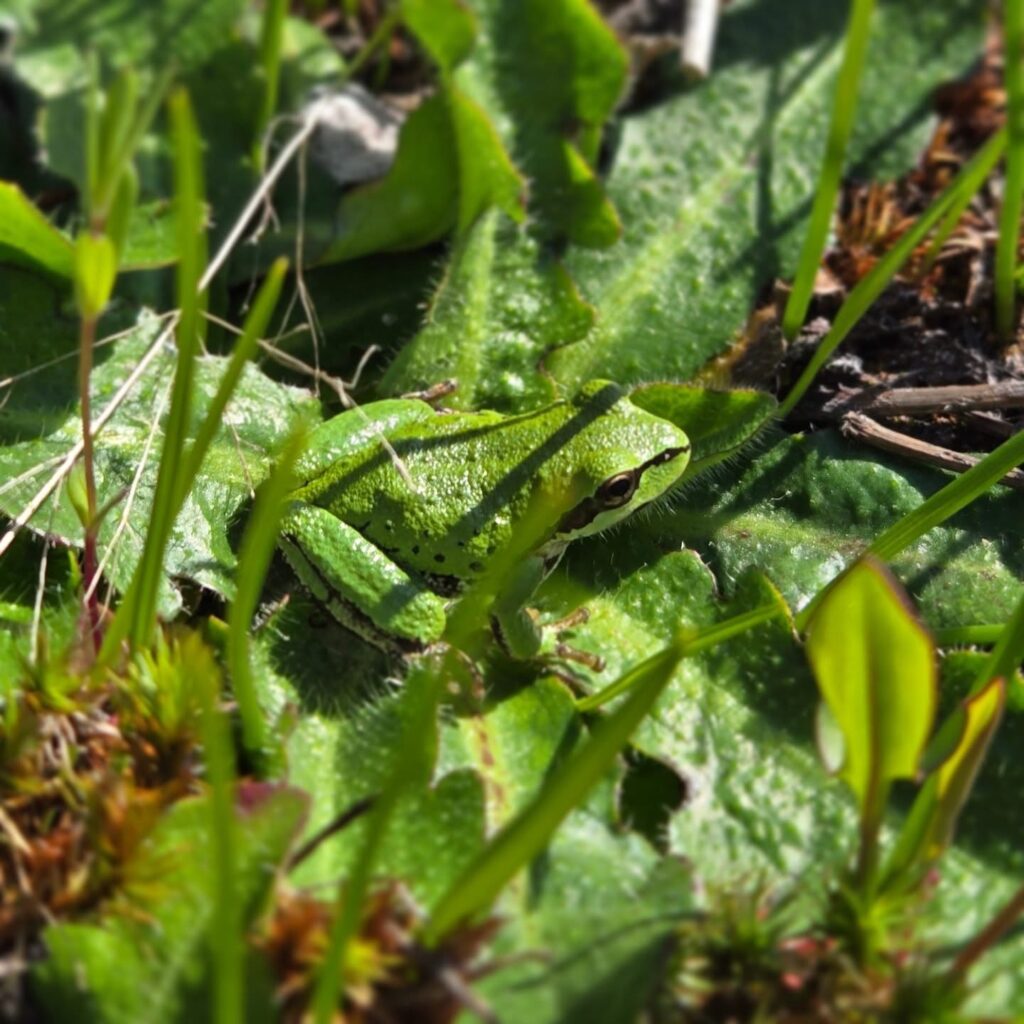
Designed for low-lying or naturally wet areas, these gardens embrace moisture instead of fighting it. Wetland plantings support a wide variety of wildlife, especially amphibians, birds, and beneficial insects. With the right plants, these spaces can transform soggy spots into lush, functional habitats that manage stormwater and clean runoff naturally.
Food Forest Gardens
Food forests are layered gardens that mimic natural forest systems, with trees, shrubs, herbs, and groundcovers all producing food while supporting biodiversity. These spaces offer beauty, resilience, and abundance—providing edible plants for people while feeding birds, insects, and soil life.
Prairie Gardens
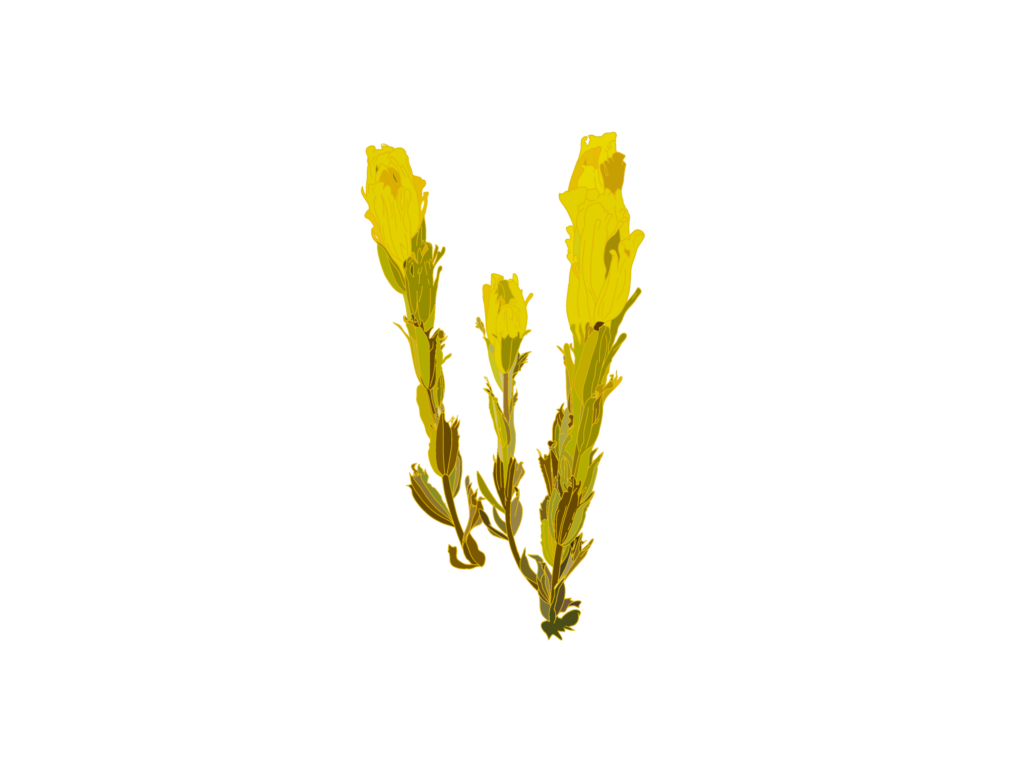
Inspired by native grasslands, prairie gardens are rich in wildflowers, grasses, and deep-rooted plants that support pollinators and build healthy soil. These dynamic landscapes are colorful, low-maintenance once established, and provide year-round interest and ecological function—even in small urban spaces.
Swales & Rain Gardens
Designed to capture and filter stormwater, swales and rain gardens slow runoff, reduce erosion, and recharge groundwater. Planted with deep-rooted natives that tolerate both wet and dry periods, these features are beautiful, functional, and essential tools for sustainable landscape design—especially in urban and suburban settings.
Habitat Boxes
Even the smallest shelter can make a big difference. Habitat boxes provide essential nesting and roosting spaces for species that are often left out of modern landscapes. Thoughtfully placed and species-specific, these structures help fill the gap where natural cavities and safe shelter are missing.
Bird Boxes
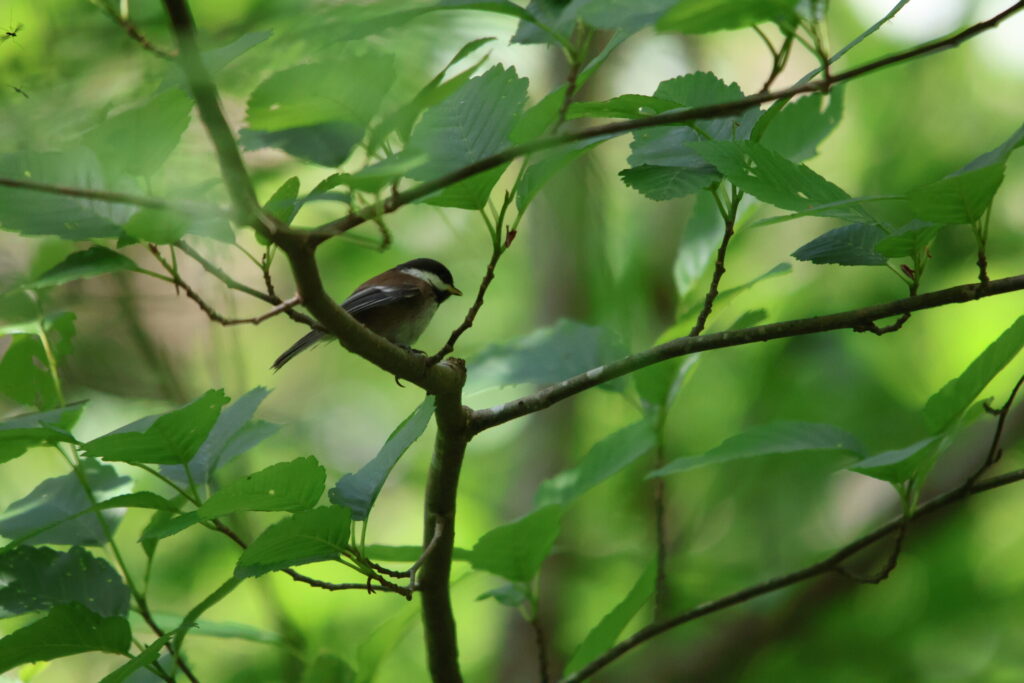
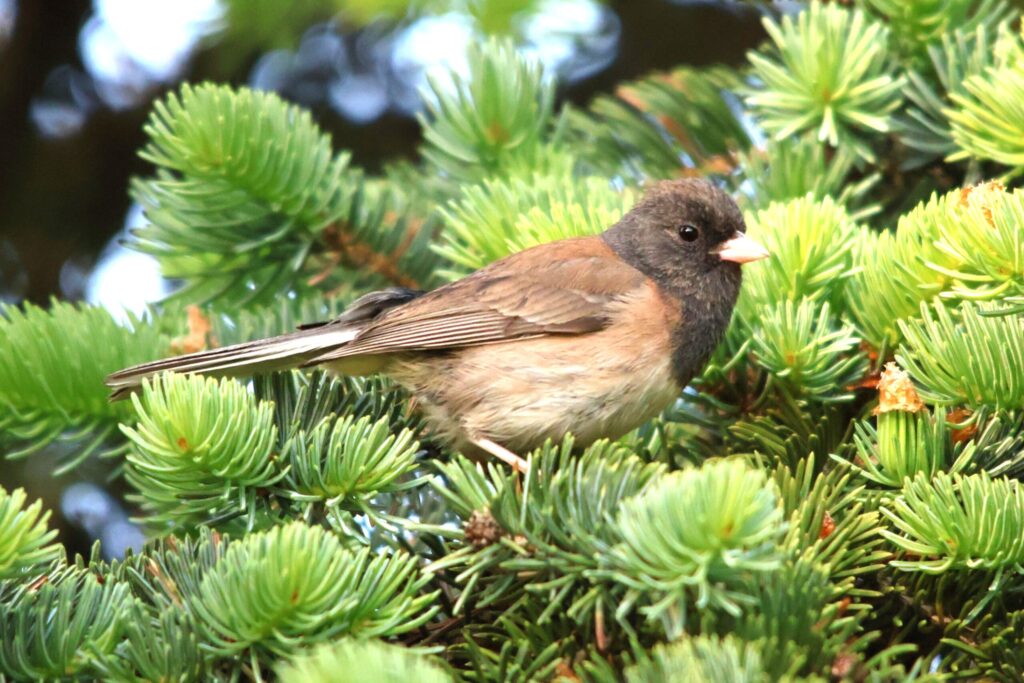
Bird boxes offer safe nesting spots for cavity-nesting birds like chickadees, bluebirds, and wrens. In landscapes with few old trees or natural hollows, these boxes provide critical shelter for birds to raise their young and find refuge from predators and harsh weather.
Bat Boxes
Bats are nighttime pollinators and natural mosquito control—but they struggle to find roosting sites in cleared or urban spaces. Bat boxes mimic the tight, warm crevices they love, offering them a safe daytime roost and supporting these important, often-misunderstood mammals.
Bug Hotels
Bug boxes or “insect hotels” are small structures packed with natural materials like bamboo, twigs, bark, and pine cones. They provide safe nesting spots for solitary bees, ladybugs, lacewings, and other beneficial insects. These tiny allies are essential to healthy gardens—pollinating plants, breaking down organic matter, and helping control pests naturally.